
Garden Maintenance Tips for Queensland Properties That Work
If you live in Queensland, your backyard isn’t just decoration — it’s a battleground. The wet season dumps rain like someone forgot to turn off the tap, then the dry heat bakes everything to a crisp. Humidity breeds mould and moss overnight, reactive clay soils crack open, then turn to sticky mud, and one wrong plant choice means either instant death or an invasive takeover. Most people just want an outdoor area that doesn’t flood the house, doesn’t cost a fortune replacing dead stuff every year, and lets them actually use it — kids playing, Barbies on weekends, somewhere to hide from the sun. Smart garden maintenance up here is about working with the climate, not against it, so your place stays functional, looks decent, and doesn’t become a money pit.
Why Landscaping Matters for Queensland Properties
A properly thought-out landscape does heavy lifting in our weather. It moves water away from the slab during those monsoonal downpours, shades the house so the aircon isn’t screaming all summer, and stops topsoil washing away on sloped blocks every time it buckets down. Good layouts give you real usable space instead of a soggy lawn or bare dirt patch. And yeah — it quietly adds value. Buyers pull up, see a tidy, green yard that looks like it can handle Queensland summers and storms, and they’re already mentally offering more. A neglected outdoor area can shave serious dollars off the sale price, while one that’s been looked after feels like the whole house has been cared for.
Common Landscaping Services in Queensland
Residential Landscaping
Family homes around Brisbane, Gold Coast, Sunshine Coast — they all deal with the same stuff: blazing sun, heavy wet-season rain, and soils that either bake hard or hold water like a sponge. Regular residential garden maintenance keeps lawns from going patchy, stops weeds from taking over beds, prunes trees before they drop branches on the roof in a storm, and clears drains so water doesn’t pool near the house. Ignore it for a couple of months in summer, and you’re fighting bare spots, fungus, and mozzies instead of enjoying the yard.
Commercial Landscaping
Offices, shopping strips, and unit complexes need to look sharp every day of the year, even when it’s pouring or 38 degrees. Commercial landscaping here means consistent mowing and edging so paths stay safe, blowing leaves before they block drains, treating for pests early, and keeping plants from growing into signage or creating trip hazards. One neglected drain or uneven patch, and someone’s complaining — or worse, someone’s lawyer gets involved.
Garden Design and Construction
Starting right saves a fortune later. Good design looks at your soil (clay? sandy?), sun angles, and where water naturally flows, so you’re not fighting the site forever. During the first year, extra attention — deep watering, thick mulch, slow-release fertiliser — helps everything establish without dying off in the first heatwave or getting drowned in the wet.
Hardscaping and Structural Landscaping
Retaining walls, paths, patios — essential on our hilly or reactive-soil blocks. Garden maintenance checks these regularly for cracks from soil movement, scrubs off slippery algae after rain, and makes sure drainage behind walls isn’t blocked. Catch small shifts early, and you avoid a $10k–$20k emergency fix.
Choosing Plants and Materials for Queensland Gardens
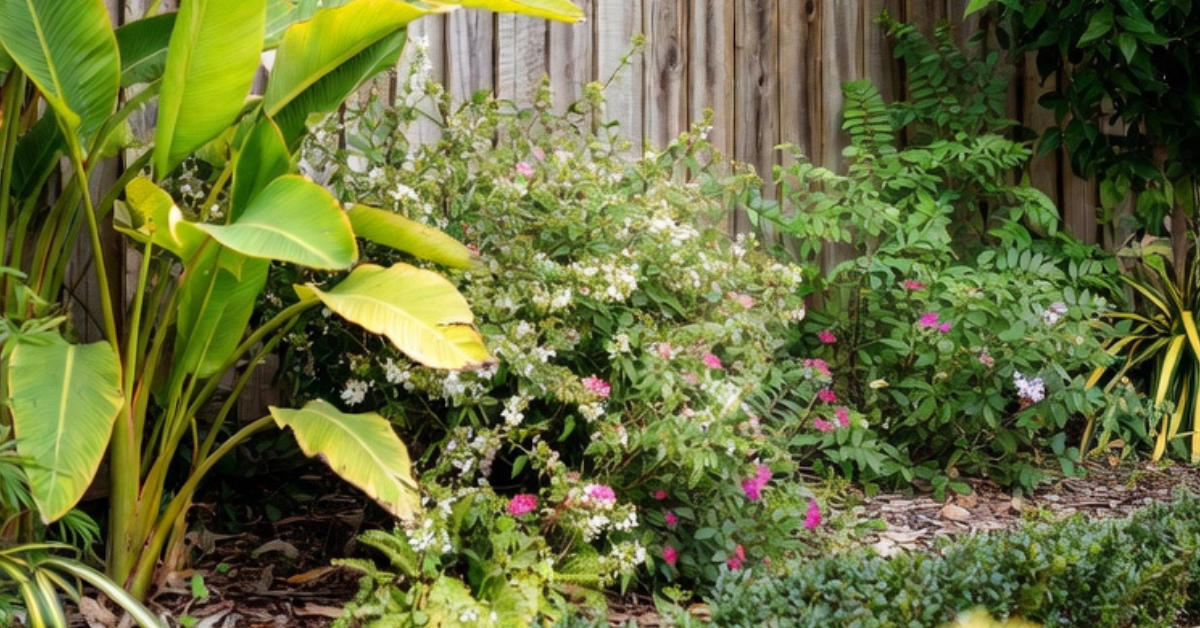
Pick plants that actually like it here, and life gets easier. Natives and tough tropicals handle the humidity, heat swings, and rainfall far better than pampered imports. Reliable performers include lilly pillies for fast hedges, grevilleas and callistemons for flowers and birds, bottlebrushes, cordylines for that resort look, lomandra and dianella instead of high-maintenance ground covers. They need way less fuss once settled. For hard materials, concrete pavers, stone, or treated sleepers hold up to moisture changes; avoid cheap timber that rots fast in our wet weather. Permeable surfaces and rain gardens help manage runoff and ease pressure on watering during restrictions.
Landscaping Design Tips for Queensland Climate
Figure out water movement first — most headaches come from not realizing where puddles form. Slope beds and paths away from the house, add spoon drains or French drains on clay blocks. Plant shade trees or put up pergolas/sails where you actually sit; one big lilly pilly or poinciana can drop temps under it noticeably. Mix in paved or gravel areas so you’re not mowing a football field every weekend. Group plants by needs — full-sun lovers together, shade-tolerant in corners — makes ongoing care simpler and the yard look more put-together.
How Professional Landscaping Improves Property Value
Well-kept outdoor spaces quietly boost what people will pay. A clean, usable yard screams “someone’s minded this place”, while erosion, dying plants, or cracked walls scream the opposite. Consistent garden maintenance stops little issues from turning into big repair bills — fixing undermined retaining walls or replacing failed turf isn’t cheap. Over time, it protects the investment, makes the property more livable, and helps it stand out in a market where everyone’s backyard looks the same.
How to Choose a Landscaper in Queensland
Go local — someone who’s worked Brisbane clay, Gold Coast sand, Sunshine Coast humidity knows the traps. Check they’re QBCC licensed, have proper public liability insurance (at least $10–20 million), and can show recent jobs in your area. Ask neighbours, check Facebook groups, look at before/after photos. A decent one talks drainage, soil prep, and seasonal realities upfront instead of just quoting the biggest package. Get two or three quotes and trust the one who explains things clearly without pressure.
Landscaping Features and Maintenance Needs in Queensland
| Landscaping Feature | Best Use Case | Queensland Locations | Maintenance Level |
| Tropical planting | Family backyards, resort feel | Brisbane, Cairns | Medium |
| Paved outdoor areas | Sloped blocks, entertaining zones | Gold Coast | Low |
| Turf installation | New homes, kids’ play space | Sunshine Coast | Medium |
Maintaining Outdoor Spaces Long Term
Consistency beats heroics every time. A simple schedule — mow every 7–10 days in the wet season, deep water during dry spells, fertilise in spring and autumn, aerate compacted spots yearly, check for grubs early — keeps things under control. Tackle small problems fast (patchy lawn, blocked drain, early pest signs), and you avoid expensive disasters. Gardens that get steady attention stay enjoyable and tough no matter what the weather does.
Final Thoughts
For property owners in Queensland, working with an experienced local landscaper helps ensure outdoor spaces are designed for climate, durability, and long-term value.

0 comments