
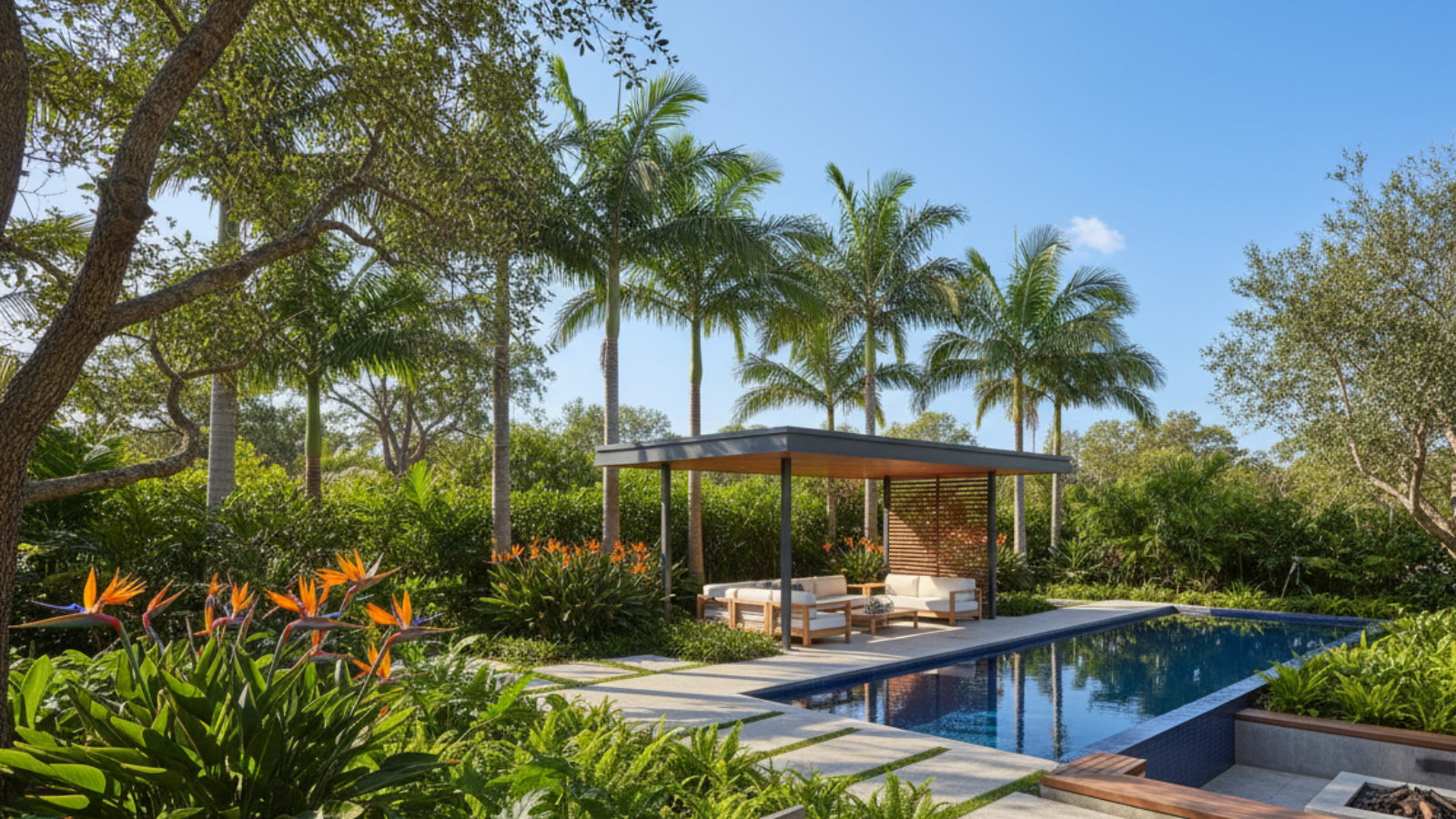
Lush Landscaping in Queensland That Stays Green
Queensland weather is a bit of a bully sometimes. You get stinking hot days, then three days of sideways rain that turns everything into a swamp, followed by humidity that makes your shirt stick to you before 9 a.m. A lot of people I talk to are sick of watching good money disappear into dead plants, patchy lawns, or yards that flood every wet season. The trick isn’t just chucking in more natives or buying fancy turf — it’s designing the whole thing so it can cope with our climate instead of fighting it, creating a true lush garden that thrives year-round.
I’ve seen too many brand-new backyards look amazing for six months, then slowly die because nobody thought about drainage or picked plants that actually like 38 °C and 90% humidity. A decent landscaper who’s been around Queensland long enough knows the shortcuts that work here (and the ones that look good on Pinterest but fail in reality).
Why Bother with Proper Landscaping Up Here?
It’s not only about pretty photos for Instagram. A well-sorted yard handles water better, keeps the house cooler, stops soil washing away during those monsoonal dumps, and — let’s be honest — makes the place feel like home instead of just another block with a Hills hoist. Families use the outdoor area way more than the formal lounge room. A shaded deck for weekend barbies, a patch for the kids to kick a footy, somewhere quiet to sit with a coffee — that stuff changes how you live day-to-day. For people selling or renting, it’s even more obvious: buyers walk in, see a tired yard full of weeds or bare dirt, and their offer drops. A solid, green, usable outdoor space can easily add 10–20% to what someone’s prepared to pay. In places like the Sunshine Coast or Gold Coast, where lifestyle sells houses, it’s often the decider.
The Main Services You’ll Come Across
Most decent Queensland landscaping companies cover the lot — design right through to mowing the lawn twelve months later.
Residential jobs
Usually starts with a coffee and a wander around the block. People want different things: a tiny courtyard that feels bigger in New Farm, a big family yard out at Caboolture, or turning a sloped horror show into something you can actually use in the hinterland. Good designers listen first, then draw something that fits how you live, not just what’s trending — often focusing on lush garden design that suits Queensland’s unique conditions.
Commercial side
Shopping centres, body corporates, offices, retirement villages — they need tough, low-fuss areas that still look sharp for photos and visitors. Irrigation that doesn’t waste water, surfaces that don’t crack in the heat, and maintenance that keeps everything tidy without a full-time gardener living on site.
Design & building the garden itself
This is the fun bit. Someone sketches the layout, picks lush garden plants that won’t die in February, and chooses pavers or timber that won’t rot in two summers. A lot of places now do 3D walkthroughs, so you aren’t guessing what it’ll look like. Then the build crew comes in: soil fixing, planting, mulching, edging, the works.
Hard stuff — walls, patios, decks
Retaining walls, driveways, steps, outdoor kitchens — anything that’s not a plant. In Queensland, you need proper engineering for anything holding back dirt or over about 1 m high, plus QBCC licensing. Skimp here and you’ll have cracks, movement,t or a council stop-work notice.
Keeping it looking good long-term
Our plants grow like crazy when they’re happy. Regular mowing, pruning before it gets out of hand, fertiliser at the right time, checking for pests (those palm-leaf-eating caterpillars are brutal some years), and making sure drippers aren’t blocked. Skip lush garden maintenance, and even the best design falls apart in eighteen months.
Picking Plants & Materials That Don’t Make You Cry
If I could only give one piece of advice, it’d be this: stop buying plants just because they’re pretty in the nursery. Choose ones born for Queensland to achieve a year-round lush garden.
Natives are gold — Grevilleas (especially the Robyn Gordon types), bottlebrush, lilly pillies, westringia. They handle drought once established, cope with poor soil, and bring birds into the yard. Want that resort feel? Add heliconias, gingers, cordylines, and dwarf palms — just put them where they won’t drown or bake. These choices support lush green garden ideas that stay vibrant through wet and dry seasons.
Water is the other big one. Drip irrigation hooked to a smart controller that checks the weather is a game-changer. Throw 75–100 mm of chunky mulch everywhere, and you’ll cut watering in half. A low-maintenance lush garden basically means less lawn, more ground covers, mulch beds, gravel, and a few well-chosen feature plants instead of fifty different things fighting each other. Explore tropical lush garden ideas or lush backyard garden ideas with these hardy selections for that evergreen appeal.
Design Tricks That Actually Work Here
Sort drainage before anything else. I’ve fixed so many “new” landscapes where water pools against the house footings because the block wasn’t graded properly. Swales, French drains, permeable pavers — whatever it takes to get water away fast.
Shade. The brutal sun makes sitting outside impossible from November to March. Pergolas, big shade sails, or planting a couple of mature poincianas, tabebuias, or jacarandas (if you’ve got the room) change everything. Good shade also drops the air-con bill.
Lawn vs hard surfaces — most people overestimate how much grass they really want. A small, healthy turf area looks lush and feels great underfoot, but big lawns here mean big water bills and weekend mowing. Lots of our jobs end up with 60–70% paved or gravel entertaining zones, then a neat lawn patch or two surrounded by tropical planting. Way less hassle. This approach helps with how to create a lush garden that endures Queensland’s extremes.
Does It Actually Lift Property Value?
Yes — and not just a little. A front yard that looks after itself screams, “someone cares about this place”. Buyers notice.
More importantly, a yard built with decent materials and plants that survive our summers doesn’t need $15k of repairs every few years. That peace of mind matters when people are writing cheques.
And in Queensland especially, the “lifestyle” sells. Outdoor kitchen, deck with fans, privacy screens of lilly pillies or bamboo — those things get people excited in a way that extra indoor storage doesn’t. A well-executed, lush garden landscaping project often seals the deal.
How to Pick a Decent Landscaper
Go local. Someone who’s done jobs in your postcode knows the clay in Ipswich is different from the sand on the Sunshine Coast, and which council loves paperwork more than the next one. Ask for their QBCC number (structural work needs it — no excuses). Check they’ve got proper public liability insurance. Look through photos of their finished work — ideally, stuff near you. And read the Google reviews; the honest ones usually mention how they handled rain delays or surprises in the soil.
Quick cheat sheet for features people ask about most: Tropical planting → family homes around Brisbane & Cairns → medium upkeep Paved entertaining zones → sloped blocks on the Gold Coast → low upkeep New turf lawns → new estates Sunshine Coast → medium upkeep Retaining walls → hills & gullies Toowoomba / Ipswich → low upkeep once built.
Wrapping It Up
A truly lush garden that doesn’t turn brown or become a jungle every second month comes down to planning around our weather, not against it. Get the bones right — drainage, shade, tough plants, smart watering — and the rest is mostly just regular (but not back-breaking) care. If you’re fed up with a yard that looks tired six months after you’ve spent money on it, have a chat with someone who’s been doing lush garden landscaping in Queensland for years. They’ll spot what’ll work on your particular block and save you a lot of headaches (and cash) down the track.

0 comments