
How to Design a Tropical Backyard: A Complete Guide
Many outdoor spaces suffer from a lack of privacy and visual interest, leaving property owners feeling exposed in their own homes. Conventional landscaping often fails to provide the restorative atmosphere people crave after a long day of professional work. Without a clear plan on how to design a tropical backyard, these areas remain underutilized and uninspired. Establishing a lush perimeter using exotic flora offers a functional solution to these common residential challenges.
A tropical theme relies on sensory richness, combining the movement of large leaves with saturated floral colors. This transformation turns a flat lawn into a multi-dimensional environment that filters noise and provides natural cooling. Understanding the core principles of exotic landscaping allows individuals to build high-value retreats. This article details the steps necessary to execute a professional-grade tropical backyard makeover.
The Fundamentals of Tropical Garden Design
A successful tropical garden design operates on the principle of maximum density. Unlike formal gardens that prioritize open spaces and symmetry, this style focuses on filling every corner with life. The goal is to replicate the abundance of a rainforest floor where plants thrive in distinct vertical zones.
Designers should start by mapping out the canopy, undergrowth, and floor layers. Tall palms or timber trees serve as the canopy, providing essential shade for delicate species below. The middle layer features architectural foliage like Alocasia, which provides significant visual weight. Finally, ground covers fill the remaining gaps to ensure no soil remains visible. This approach is essential for anyone researching how to design a tropical backyard with lasting impact.
Innovative Tropical Backyard Ideas for Every Home
Developing unique tropical backyard ideas requires a balance between personal taste and local environmental conditions. Whether the goal is a minimalist retreat or a chaotic jungle, certain elements remain universal across successful exotic landscapes.
Integrating Architectural Foliage
In an exotic setting, leaf shape often takes priority over floral displays. Large, glossy leaves provide a permanent structure that defines the space throughout the year. Plants such as the Bird of Paradise or various Philodendron species offer the dramatic scale required for an authentic look.
Incorporating Water Features
The sound of moving water is a hallmark of tropical outdoor oasis ideas. A simple stone fountain or a small koi pond adds a cooling sensory element that complements the dense greenery. These features also support local biodiversity by providing water for birds and beneficial insects.
Utilizing Natural Hardscaping
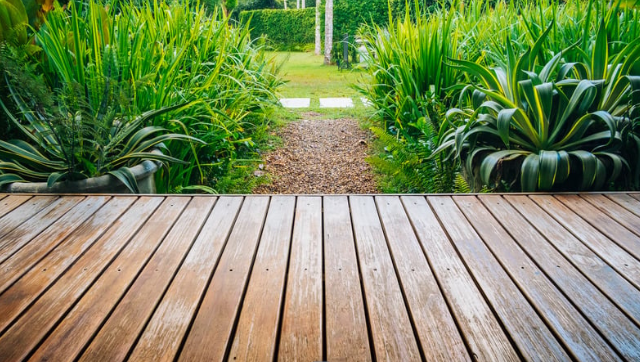
To maintain a cohesive look, hardscaping should involve organic materials. Bamboo fencing, weathered stone paths, and teak decking pair naturally with a green palette. These materials avoid the clinical feel of modern plastics, ensuring the DIY tropical backyard landscaping feels grounded and authentic.
Selecting the Right Tropical Backyard Plants
The success of the landscape depends heavily on selecting appropriate tropical backyard plants for the specific climate zone. While true tropicals need heat, many hardy alternatives offer the same visual flair.
| Category | Recommended Species | Primary Benefit |
| Canopy Layer | Windmill Palm, Clumping Bamboo | Adds height and privacy screens. |
| Mid-Layer | Fatsia Japonica, Canna Lily | Provides bold textures and colors. |
| Accent Plants | Hibiscus, Ginger Lilies | Offers vibrant, exotic blossoms. |
| Floor Layer | Japanese Painted Fern, Hostas | Fills gaps with intricate patterns. |
Choosing species that mimic exotic shapes but tolerate local winters is a vital part of tropical landscape design tips. This strategy reduces the need for extensive winter protection and ensures the garden returns each spring.
Small Tropical Backyard Design Strategies
Homeowners with limited square footage often worry that dense planting will make their yard feel smaller. However, a small tropical backyard design can create an illusion of infinite depth by hiding boundaries. When fence lines are obscured by layers of foliage, the eye cannot easily determine the property’s limits.
Vertical gardening is a primary tool for restricted spaces. Wall-mounted planters and climbing vines like Star Jasmine allow for high plant density without consuming floor space. Additionally, using different shades of green can create a forced perspective; placing darker foliage in the back and lighter leaves in the front makes the space appear deeper than it actually is.
Step-by-Step Tropical Garden Layout Planning
Effective tropical garden layout planning ensures the space is both beautiful and functional for long-term use. Following a structured process prevents common errors during the installation phase.
Map Sun Patterns: Most exotic plants require bright, filtered light. Identify areas that receive harsh afternoon sun versus those in permanent shade.
Enhance Soil Structure: Tropical species are heavy feeders. Integrate organic compost and leaf mold to create a rich, loamy base that holds moisture.
Install Hardscape First: Lay paths, decks, and irrigation lines before planting. This prevents damage to young roots and simplifies the construction process.
Execute Layered Planting: Begin with the largest trees to establish the canopy. Fill in the middle layer with shrubs, and finish with ground-level textures.
Apply Organic Mulch: Use wood chips or pine bark to maintain soil temperature and moisture. This step is crucial for backyard tropical landscaping health.
Maintaining a Low-Maintenance Tropical Backyard
Many assume that exotic yards require constant attention, but a low-maintenance tropical backyard is achievable with the right species. Selecting plants that are naturally pest-resistant and suited to the local rainfall levels reduces the need for manual intervention.
Automated irrigation is a wise investment for these designs. Drip systems deliver water directly to the roots, minimizing evaporation and preventing leaf diseases. Furthermore, the high density of a jungle-style garden naturally discourages weed growth by starving them of sunlight. Occasional pruning to remove dead fronds and a biannual application of slow-release fertilizer are typically enough to keep the garden thriving.
Exotic Backyard Garden Design: Adding Final Touches
An exotic backyard garden design is completed through thoughtful accessorizing. Lighting should be subtle and warm, focusing on up-lighting the trunks of palms or highlighting the textures of large leaves. This creates a dramatic silhouette against the night sky, making the garden usable 24 hours a day.
Furniture should reflect the natural theme. Rattan or heavy timber pieces with weather-resistant cushions in earthy tones work best. For those seeking tropical outdoor oasis ideas, adding a hammock or a small thatched-roof gazebo provides a dedicated space for relaxation. These elements turn a collection of plants into a functional outdoor living room.
Common Challenges in Tropical Landscaping
When learning how to design a tropical backyard, it is important to anticipate potential hurdles. Poor drainage is a leading cause of plant failure. While these species love moisture, they cannot survive in stagnant water. Raising planting beds or incorporating gravel into the soil can solve most drainage issues.
Temperature fluctuations also pose a risk. In regions with occasional frost, homeowners should have a plan for protecting sensitive species. Using frost blankets or moving potted specimens into a garage can save years of growth. Understanding these tropical landscape design tips early in the process prevents costly replacements later on.
Practical Tips for Backyard Tropical Landscaping
Incorporating backyard tropical landscaping requires a long-term perspective. Because many palms and architectural plants grow slowly, it is often better to invest in a few mature “anchor” plants and fill the rest with fast-growing fillers. This provides an immediate sense of established luxury.
Grouping plants with similar water needs, a practice known as hydrozoning, improves efficiency. Placing thirstier plants near water sources or in lower areas of the yard ensures they stay hydrated without overwatering the rest of the garden. This practical approach is a core part of how to design a tropical backyard that remains sustainable over several seasons.
Planning a DIY Tropical Backyard Landscaping Project
A DIY tropical backyard landscaping project is rewarding but requires physical preparation. Clearing existing grass and weeds is the first step toward a clean slate. Using cardboard or thick newspaper as a weed barrier beneath the mulch is an eco-friendly way to prepare the ground for new arrivals.
Homeowners should also consider the view from inside the house. Aligning the main tropical focal points with windows or glass doors ensures the garden provides value even during inclement weather. This visual connection between the interior and exterior is a key element of modern tropical garden design.
Enhancing Biodiversity in Your Tropical Oasis
A lush garden serves as a vital habitat for local fauna. By choosing a variety of flowering plants like Salvia or Canna, homeowners can attract pollinators such as bees and butterflies. This adds movement and life to the garden, enhancing the feeling of a natural ecosystem.
Avoid using harsh chemical pesticides, as these can damage the delicate balance of the garden. Instead, encourage natural predators like ladybugs and birds to manage pest populations. This organic approach ensures the tropical backyard ideas implemented remain safe for both pets and children.
Seasonal Care for Tropical Designs
While the garden looks best in summer, winter care is essential for maintaining the exotic backyard garden design. In autumn, reducing water and fertilizer allows plants to enter a dormant state, which helps them survive cold snaps. Checking for pests before moving any pots indoors is also a critical step in maintaining plant health.
In the spring, a heavy pruning of any frost-damaged foliage encourages new, vigorous growth. Refreshing the mulch layer and checking the irrigation system ensures the garden is ready for the peak growing season. This routine care ensures the DIY tropical backyard landscaping remains a beautiful asset year after year.
Conclusion
Mastering how to design a tropical backyard allows homeowners to create a personalized sanctuary that offers both privacy and beauty. By utilizing a layered planting strategy and selecting the right tropical backyard plants, any outdoor space can be transformed. With consistent care and thoughtful planning, a tropical garden design provides a lasting escape from the ordinary, right in the comfort of home.
Frequently Asked Questions (FAQ)
How do I choose the best location for my tropical garden?
The best location for a tropical garden is an area that receives ample sunlight but is sheltered from strong, drying winds. Most exotic species thrive in humid, warm environments with filtered light. When considering how to design a tropical backyard, identify spots near walls or fences that can trap heat and provide a microclimate for more sensitive plants.
Can I build a tropical garden on a tight budget?
Yes, building a tropical garden on a budget is possible by starting with smaller plants and focusing on propagation. Many tropical backyard plants, such as succulents and certain ferns, grow easily from cuttings. Utilizing recycled materials for paths and sourcing plants from local exchanges are excellent ways to reduce costs while implementing your tropical backyard makeover ideas.
What are the best low-maintenance tropical plants?
For a low-maintenance tropical backyard, focus on hardy species like the Sago Palm, Cordyline, and various types of ornamental grasses. These plants are resilient and require less frequent watering once established. Selecting plants that are native to similar climates ensures they thrive with minimal intervention, making them perfect for busy homeowners seeking an exotic look.
How to design a tropical backyard, can I make a small space feel like a jungle?
To make a small space feel like a jungle, utilize vertical space and dense layering. Planting tall, narrow bamboo and using hanging baskets allows for more greenery without crowding the floor. This small tropical backyard design technique blurs the yard’s edges, creating an immersive experience that makes the entire area feel significantly larger and more private.
How to design a tropical backyard often should I fertilize my plants?
Tropical plants are generally heavy feeders because they grow rapidly during the warm months. It is best to apply a balanced, slow-release fertilizer in early spring and again in mid-summer. This supports the lush foliage and vibrant blooms typical of tropical garden design. Always water the plants thoroughly after fertilizing to ensure the nutrients reach the root zone effectively.
Is it possible to grow tropical plants in containers?
Many tropical species thrive in containers, which is an excellent option for those with limited space or cold winters. Pots allow you to control the soil quality and move sensitive plants indoors when temperatures drop. Using large, colorful glazed pots can also serve as architectural focal points within your overall tropical backyard ideas and layout.

0 comments